
Signs of Basement Waterproofing Failure You Shouldn’t Ignore: How to Detect Basement Leak Signs and Prevent Water Damage
A basement waterproofing failure is any breakdown in the systems or structures that keep groundwater and surface water out of your lower level, and it often shows up long before major flooding or structural collapse. Early detection prevents escalating damage by stopping moisture-driven problems such as mold growth, masonry deterioration, and hydrostatic-driven seepage. This article teaches homeowners how to recognize the most common basement water intrusion indicators, how to map specific signs to likely causes, and practical steps to reduce immediate risk while preparing for professional repair. You will find clear diagnostic checks, a prioritized action plan for what to do after a storm, and service-mapping that links common symptoms to targeted solutions like interior drainage, sump pump installation, and crack repair. The guide also covers health implications of mold, how surface finishes betray hidden moisture, and how professional inspection leads to durable fixes. Read on to learn the signs to watch for, how to triage them, and when to schedule a professional assessment.
What Are the Most Common Signs of Basement Waterproofing Failure?
Basement waterproofing failure manifests through a consistent set of visible and sensory clues that signal water is moving through or collecting in your foundation. These signs include odors, mineral deposits, visible water stains, surface deterioration, and active pooling; each indicates different mechanisms—from vapor migration to direct hydrostatic entry. Recognizing these signs early reduces repair complexity and helps prioritize fixes that stop water at its source rather than repeatedly treating symptoms. The next subsections explain two of the most telling early indicators: musty odors and efflorescence, and then we’ll expand to a compact, actionable list of the top warning signs homeowners should monitor.
A quick list of the most common signs and why they matter:
- Musty odor: Persistent damp smell signals elevated moisture and possible mold growth inside the basement.
- Efflorescence and white stains: Mineral deposits indicate water is moving through masonry and bringing salts to the surface.
- Cracks in walls or floors: Pathways for water and warning signs of possible foundation movement.
- Water stains or discoloration: Visible evidence of past or ongoing seepage requiring investigation.
- Peeling paint and blistering: Surface failure often caused by trapped moisture behind finishes.
- Pooling water after rain: Sign of poor grading, clogged drains, or failing drainage systems that need immediate attention.
These top signs form a practical checklist homeowners can use during routine basement checks; the next section explores musty odors in detail and how a homeowner can verify moisture sources.
How Does a Musty Smell in the Basement Indicate Moisture Problems?
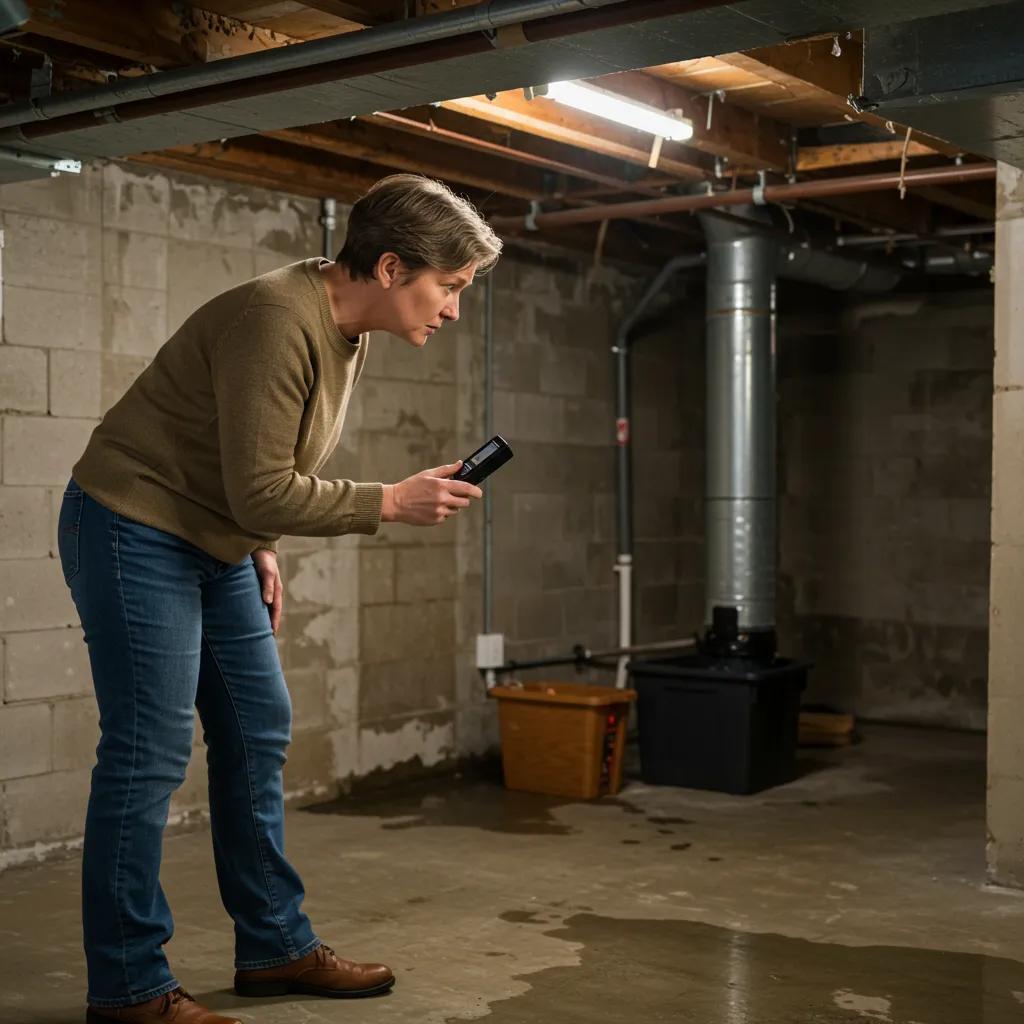
A persistent musty smell in the basement usually results from organic growth—mold and mildew—that thrive where relative humidity stays high and ventilation is poor. Microbial growth metabolizes building materials and stored items, releasing volatile organic compounds that produce the characteristic odor; this process indicates ongoing moisture, not a one-time event. Homeowners can perform simple sniff and visual checks, inspect behind stored boxes and along seams where condensation or seepage is likely, and use a hygrometer to confirm high humidity levels above 50%. If odor persists despite dehumidification and cleaning, the last sentence leads to assessing walls and masonry for efflorescence, which often accompanies hidden moisture.
What Do Efflorescence and White Stains on Basement Walls Reveal?
Efflorescence appears as powdery white mineral deposits on masonry and concrete surfaces when groundwater carrying dissolved salts evaporates and leaves those salts behind, and it indicates repeated or ongoing migration of water through the wall. This phenomenon signals that water is reaching the wall’s interior surface and evaporating, which means the source—exterior saturation, capillary rise, or interior condensation—must be identified and corrected to prevent continued material degradation. Cleaning salts is a short-term cosmetic step; the long-term solution is to control water entry through exterior drainage, improved grading, or interior drainage systems depending on the pathway. Understanding efflorescence as a symptom helps homeowners prioritize diagnostic steps and prepare for professional inspection if the deposits reappear after cleaning.
How Can Basement Wall Cracks Signal Water Intrusion and Structural Issues?
Cracks in foundation walls and floors create direct conduits for water and can reflect different mechanical stresses; understanding crack type, orientation, and behavior is key to diagnosing both leakage risk and structural concern. Some cracks are hairline and primarily cosmetic, while others—horizontal, stair-step, or offset vertical cracks—suggest foundation movement or pressure requiring immediate evaluation. Mapping the crack pattern alongside signs like efflorescence, active seepage, and wall displacement helps determine whether sealing, interior crack patching, or structural foundation repair is necessary. Below is a comparative table that clarifies common crack types, their attributes, and recommended actions to help homeowners triage urgency and next steps.
The following table compares crack types, typical causes, and recommended homeowner responses.
This table helps homeowners decide whether to monitor a crack or escalate to professional repair; next we explain measurable cues distinguishing hairline from structural cracks.
What Is the Difference Between Hairline and Structural Basement Cracks?
Hairline cracks are narrow surface fractures often caused by shrinkage during curing or minor thermal movement; they rarely indicate structural collapse and can often be monitored or sealed for waterproofing. Structural cracks—characterized by width greater than 1/8″, offset edges, horizontal orientation, or associated wall bowing—suggest active foundation movement or significant lateral pressure and demand prompt professional assessment. Homeowners should measure crack width, check for changes over weeks or months, and look for correlated signs like doors sticking upstairs or new gaps at window frames; documenting progression with dated photos is essential. When cracks show active water flow or rapid widening, the next step typically moves from cosmetic sealing to interior drainage correction or foundation repair.
When Should You Be Concerned About Cracks Causing Water Leaks?
A crack becomes an urgent waterproofing issue when it transmits visible water, shows efflorescence concentrated around it, or is associated with displaced masonry and bulging walls; these are red flags for continuing water entry and potential structural compromise. Short-term homeowner actions include clearing the area, placing a temporary drip pan under active leaks, and tracking whether seepage increases after rain to infer an exterior drainage problem. If the crack exhibits moisture mapping that aligns with hydrostatic events—such as seepage only after prolonged rainfall—interior drainage or a French drain may be required rather than only surface patching. Persistent or worsening cracks should prompt scheduling a professional inspection to determine whether crack repair, sump pump installation, or foundation stabilization is needed.
What Are the Warning Signs of Pooling Water and Basement Leaks After Rain?
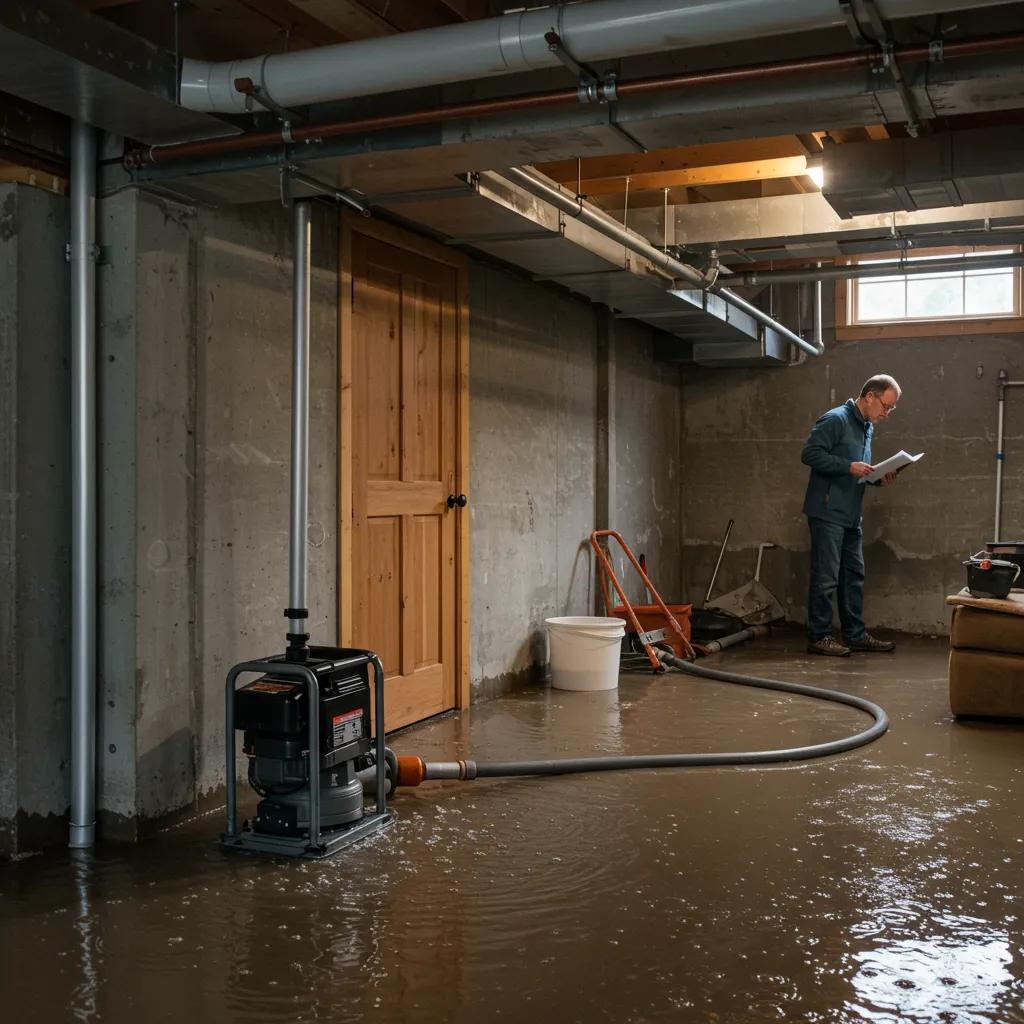
Pooling water in a basement after rain indicates that surface runoff, grading failures, or subsurface saturation is overcoming the design capacity of your drainage systems. This symptom often ties directly to hydrostatic pressure pushing water through walls and floors or to blocked gutters and downspouts that concentrate flows near the foundation. Homeowners should perform a set of immediate checks after storms to identify obvious sources—window wells, sump pits, gutters—and then consider longer-term solutions such as grading correction, exterior waterproofing, interior French drains, or sump pump upgrades. The table below maps common leak sources observed after rain to likely remedies, which helps match a symptom to a practical service pathway.
Intro: This table helps map visible leak sources to likely fixes so homeowners can match symptoms to appropriate interventions.
Summary: Matching leak evidence to targeted remedies reduces trial-and-error; if multiple sources appear, combined measures (grading plus interior drainage and a sump pump) often deliver durable protection.
How Does Hydrostatic Pressure Cause Basement Flooding?
Hydrostatic pressure develops when the soil surrounding a foundation becomes saturated and water exerts lateral and upward force against walls and floors, effectively pushing water through the weakest points. As saturated soil seeks equilibrium, water follows paths of least resistance—cracks, mortar joints, and seams at floor-wall intersections—forcing seepage even through materials that appeared tight under drier conditions. Relieving hydrostatic pressure usually requires moving water away from the foundation using exterior grading, subsurface drains, or interior perimeter drainage tied to a sump pump system, and correcting surface runoff sources to prevent re-saturation. Understanding hydrostatic mechanics clarifies why surface fixes alone often fail and why drainage systems and sump pumps are central to longer-term prevention.
What Role Do Drainage Systems and Sump Pumps Play in Preventing Leaks?
Drainage systems and sump pumps remove water before it can build hydrostatic pressure and breach the basement interior: exterior systems redirect water before it reaches the foundation, while interior systems capture and remove water that has already reached the footing level. A French drain or exterior trench reduces saturation against the wall, whereas an interior perimeter drain collects seepage and channels it to a sump basin for pumping away; both reduce pressure and entry points for leaks. Sump pumps require correct sizing, reliable discharge routing, and ideally a backup power option to function during storms; regular maintenance of pumps and gutters is essential to system reliability. When homeowners evaluate options, combining improved grading, clear downspouts, and an interior system with a properly installed sump pump delivers the most comprehensive defense.
How Does Mold Growth Indicate Basement Waterproofing Failure and Health Risks?
Mold growth in basements is a biological sign that moisture conditions have persisted long enough to support active fungal colonization, and it signals both waterproofing failure and potential health concerns for occupants. Persistent dampness—due to leaks, condensation, or high humidity—feeds mold, which can damage organic materials and emit spores and compounds that affect indoor air quality. Determining whether mold is a localized cosmetic issue or part of a broader moisture problem requires an assessment of source, extent, and underlying water pathways; remediation and waterproofing are complementary steps. The table below clarifies typical mold signs, associated health risks, and when remediation versus waterproofing should be prioritized to prevent recurrence.
Intro paragraph: This table clarifies mold types and symptoms, distinguishing immediate remediation needs from long-term waterproofing solutions to prevent re-growth.
Summary paragraph: Addressing mold requires both remediation to remove active contamination and waterproofing to eliminate the moisture source; without removing the latter, mold treatment risks only temporary relief and likely recurrence.
What Are the Health Impacts of Mold and Mildew in Basements?
Mold and mildew exposure can cause respiratory irritation, trigger allergic reactions, and exacerbate asthma or other chronic respiratory conditions, particularly in sensitive individuals such as children, the elderly, or immunocompromised occupants. Symptoms often include nasal congestion, coughing, throat irritation, and eye irritation; while most healthy adults experience mild symptoms, prolonged exposure in an enclosed basement can worsen conditions and impact indoor air quality. The authoritative approach is to treat significant infestations through professional remediation and to correct the moisture source to prevent recurrence rather than rely on surface cleaning alone. Recognizing health signals tied to mold shifts the priority from cosmetic fixes to coordinated remediation plus waterproofing interventions.
How Can Professional Mold Remediation Protect Your Home?
Professional mold remediation protects occupants by containing the affected area, removing contaminated materials when necessary, using HEPA filtration and negative pressure to limit spread, and thoroughly drying the structure to inhibit regrowth. However, remediation addresses the biological contamination, not the water entry mechanism; combining remediation with a waterproofing plan—such as interior drainage, improved grading, or sump pump installation—prevents future infestation by eliminating persistent moisture. Many remediation projects coordinate with waterproofing contractors to sequence drying after source correction and to ensure long-term success, preserving indoor air quality and preventing repeated treatments. When mold is visible or occupants report health effects, remediation should be followed by a targeted waterproofing strategy.
Why Do Peeling Paint and Blistering Walls Signal Hidden Moisture Problems?
Peeling paint and blistering walls are surface indicators that moisture is trapped behind finishes, disrupting adhesion and causing coatings to fail; these signs often accompany other masonry indicators like efflorescence and staining. Moisture can originate from condensation on cold surfaces, capillary rise through masonry, or direct seepage through cracks, and the failure of paint is a delayed visible symptom indicating prolonged exposure rather than a transient humidity spike. Short-term responses include stabilizing conditions with dehumidifiers and removing damaged paint, but long-term resolution requires identifying and stopping the moisture source—be that ventilation upgrades, vapor barriers, or waterproofing interventions. The following bullet list covers practical short-term and long-term actions homeowners can take to address surface deterioration and prevent reoccurrence.
Short-term and long-term solutions homeowners can apply:
- Short-term dehumidification: Run a dehumidifier to reduce relative humidity and slow further paint failure.
- Surface preparation: Remove blistered paint, dry surfaces thoroughly, and use mold-resistant primers for cosmetic repairs.
- Ventilation improvements: Increase air exchange to reduce condensation on cold walls and windows.
- Permanent waterproofing: Address the root cause by fixing grading, installing drains, or applying appropriate exterior/interior waterproofing.
These steps move from symptom control to source elimination, and the following subsection explains how moisture behind walls progresses to visible damage.
How Does Moisture Behind Walls Cause Surface Damage?
Moisture behind walls weakens adhesives and paint binders, causing blistering, flaking, and eventual structural degradation of drywall or plaster; as materials absorb water they expand and lose cohesion. This internal wetting also creates conditions for mold and efflorescence, so what appears as a paint problem is often a marker of deeper moisture movement within wall assemblies. Homeowners can probe suspicious areas, use moisture meters to check relative moisture content, and inspect adjacent exterior features like gutters and grading to infer the entry route. Detecting moisture early enables targeted interventions—such as localized drying and waterproofing—before cosmetic repairs are wasted by reoccurrence.
What Are Effective Solutions to Prevent Further Damage?
Effective prevention begins with diagnosing the moisture pathway, then applying the corresponding corrective measure: improve surface runoff and grading to stop exterior saturation, install or repair gutters and downspouts to keep water away from the foundation, and use interior drainage or sump systems where subsurface water cannot be managed externally. For surface finishes, replace damaged drywall or plaster after ensuring the underlying assembly is dry, and use mold-resistant products and proper primers during restoration to reduce recurrence risk. Temporary fixes like dehumidifiers and fans help dry spaces but must be paired with structural or drainage corrections for permanent success. Prioritizing source elimination before cosmetic restoration prevents wasted expense and recurring damage.
What Should You Do When You Spot Signs of Basement Waterproofing Failure?
When you detect signs of waterproofing failure, an orderly response prevents immediate loss and collects the information needed for a durable professional repair plan. Start by documenting all signs with dated photos, clear stored items away from affected areas, and reduce humidity using ventilation or a dehumidifier to limit mold growth. Next, perform basic checks—inspect gutters and downspouts, examine the sump pit for operation, and note whether seepage correlates with rainfall—to help a professional quickly identify likely sources. The following numbered list provides a prioritized homeowner action plan to stabilize conditions and prepare for a professional assessment.
A practical step-by-step homeowner action plan:
- Document and protect: Photograph damage, move valuables off the floor, and place temporary barriers under active leaks.
- Reduce moisture: Run dehumidifiers, improve ventilation, and use fans to accelerate drying.
- Perform simple checks: Inspect gutters, downspouts, grading, and the sump pit for obvious failures.
- Collect evidence for pros: Log when seepage occurs relative to rain and retain photos to show inspectors.
This sequence stabilizes immediate risk and produces useful diagnostic information; next we describe how professional inspections build on this homeowner triage.
How Can Professional Inspection Help Diagnose Basement Leak Signs?
A professional inspection systematically identifies the source, extent, and repair priority by combining visual assessment with diagnostic tools such as moisture meters, thermal imaging, sump and sump-pit evaluation, and grading review. Inspectors typically provide a written report that explains findings, recommends targeted repairs (for example, basement crack repair, sump pump installation, French drain installation, or exterior waterproofing), and outlines expected timelines and cost ranges so homeowners can make informed choices. For York, PA homeowners, a local contractor’s knowledge of regional soil conditions and climate patterns can refine diagnostics and lead to more durable solutions. MK Basement Waterproofing offers inspection services that include these diagnostic steps, emphasizes clear communication, and provides free estimates, helping homeowners move from detection to a tailored repair plan.
Why Choose MK Basement Waterproofing in York, PA for Reliable Solutions?
MK Basement Waterproofing is a York, PA-based contractor focused on comprehensive foundation solutions and customer-centered service: the company offers free estimates, is PA licensed and insured, and emphasizes clear communication and customized plans for each property. Their services include basement waterproofing, basement crack repair, foundation repair, sump pump installation, and French drain installation—all of which directly address the signs discussed in this guide. Working with a local provider familiar with York soil and seasonal precipitation patterns can shorten diagnosis time and improve long-term outcomes compared with generic approaches. For homeowners seeking reliable follow-up after the troubleshooting steps above, scheduling a professional inspection and free estimate with a licensed local specialist provides the next practical step toward a durable resolution.
Frequently Asked Questions
What are the long-term effects of ignoring basement waterproofing issues?
Ignoring basement waterproofing issues can lead to severe long-term consequences, including structural damage to the foundation, increased mold growth, and compromised indoor air quality. Over time, persistent moisture can weaken building materials, leading to costly repairs and potential safety hazards. Additionally, mold can pose health risks, particularly for sensitive individuals, causing respiratory issues and allergic reactions. Addressing waterproofing problems promptly is essential to prevent these escalating issues and maintain a safe living environment.
How often should I inspect my basement for signs of water intrusion?
Homeowners should inspect their basements at least twice a year, ideally in spring and fall, to catch any signs of water intrusion early. Additionally, it’s wise to conduct inspections after heavy rainfall or snowmelt. During these checks, look for visible signs such as water stains, efflorescence, or musty odors. Regular inspections help identify potential issues before they escalate, allowing for timely repairs and reducing the risk of significant water damage.
Can I perform basement waterproofing repairs myself?
While some minor repairs, such as sealing small cracks or applying waterproof paint, can be done by homeowners, most basement waterproofing issues require professional expertise. Complex problems, like significant structural cracks or drainage system failures, necessitate specialized knowledge and equipment to ensure effective and lasting solutions. Attempting DIY repairs on serious issues can lead to inadequate fixes and further damage, making it advisable to consult a professional for comprehensive assessments and repairs.
What are the benefits of installing a sump pump?
Installing a sump pump provides several benefits, primarily by preventing basement flooding and managing groundwater levels. Sump pumps actively remove water that accumulates in the sump basin, reducing hydrostatic pressure against foundation walls. This proactive measure helps protect against water damage, mold growth, and structural issues. Additionally, having a sump pump with a battery backup ensures continued operation during power outages, providing peace of mind during heavy storms or flooding events.
How can I improve ventilation in my basement to reduce moisture?
Improving ventilation in your basement can significantly reduce moisture levels and prevent mold growth. Start by ensuring that windows are opened regularly to allow fresh air circulation. Installing exhaust fans can help remove humid air, especially in areas prone to condensation. Additionally, using dehumidifiers can effectively lower humidity levels. Consider adding vents or air bricks to promote airflow, and ensure that any existing vents are unobstructed to maximize their effectiveness.
What should I do if I find mold in my basement?
If you discover mold in your basement, it’s crucial to address it promptly to prevent health risks and further damage. Start by identifying and eliminating the moisture source that is fueling mold growth. For small areas of surface mold, you can clean it with a mixture of water and detergent or a commercial mold remover. However, for extensive mold infestations, it’s best to hire a professional mold remediation service to ensure safe and thorough removal, along with necessary waterproofing measures to prevent recurrence.
Are there any preventative measures I can take to avoid basement waterproofing issues?
Yes, several preventative measures can help avoid basement waterproofing issues. Ensure proper grading around your home to direct water away from the foundation. Regularly clean gutters and downspouts to prevent blockages that can lead to overflow. Installing window well covers can also help keep water out. Additionally, consider applying waterproof coatings to basement walls and installing interior drainage systems or sump pumps for added protection. Regular inspections and maintenance are key to preventing future problems.
Conclusion
Recognizing the signs of basement waterproofing failure is crucial for maintaining a safe and healthy home environment. By addressing issues like musty odors, efflorescence, and cracks early, homeowners can prevent costly damage and health risks associated with mold growth. Taking proactive steps, such as scheduling a professional inspection, ensures that the right solutions are implemented effectively. Explore our services today to safeguard your basement and enhance your home’s resilience against water damage.